Top 7 Alternatives to Qwen Image 2512 I Tried & Recommend
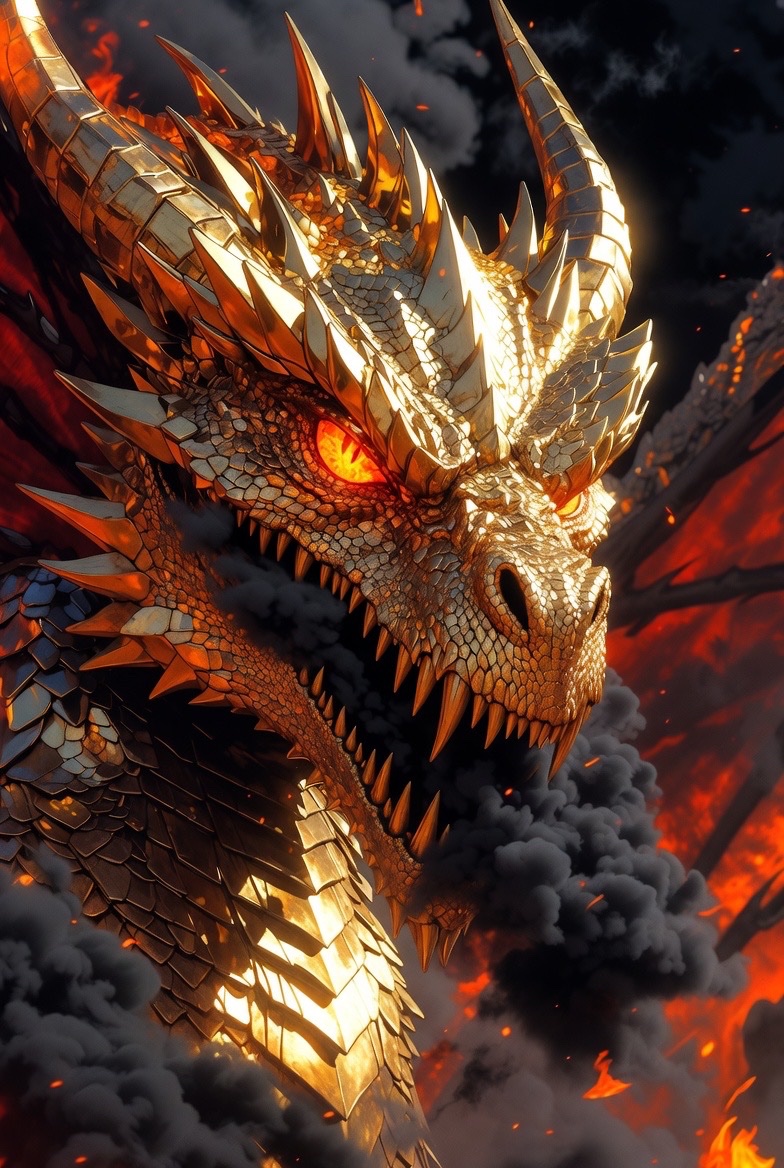
As an avid explorer of AI image generation tools, I've spent considerable time testing various models to find options that match or complement Qwen-Image-2512's strengths in photorealism, text rendering, and open-source flexibility.
As an avid explorer of AI image generation tools, I've spent considerable time testing various models to find options that match or complement Qwen-Image-2512's strengths in photorealism, text rendering, and open-source flexibility. Qwen-Image-2512 excels in lifelike human details, natural textures, and accurate multilingual text integration, but depending on your needs—like faster inference, stronger prompt adherence, artistic styles, or cloud convenience—other tools can be superior.
After trying dozens of generators, here are my top 7 alternatives that stand out in 2026. Each brings unique advantages for different creative workflows.
1. Z-Image Turbo - Best Alternative Overall
Try Z-Image Turbo Now
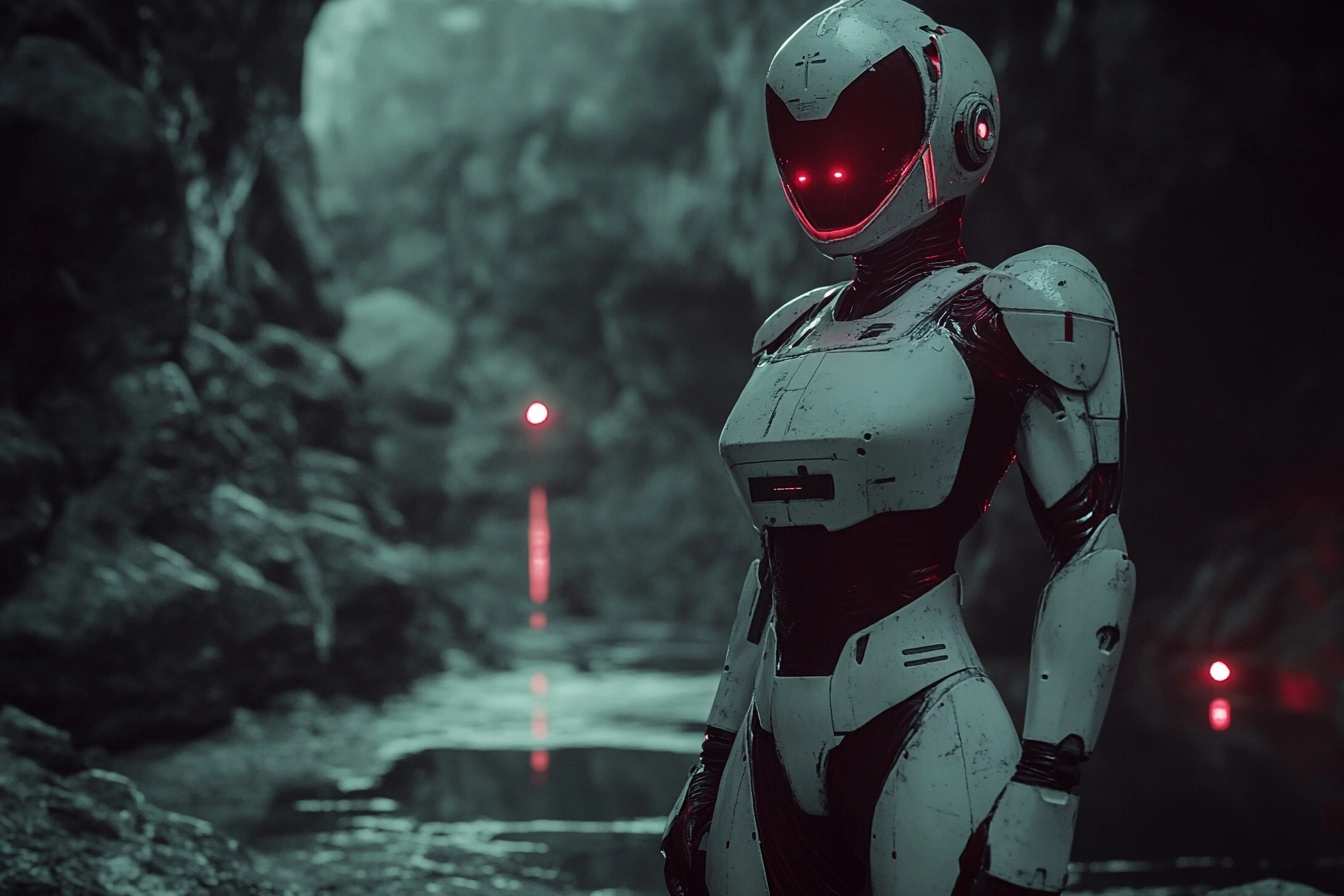 (Placeholder for illustrative image of a high-detail AI-generated scene)
Z-Image Turbo has become my daily driver when I need quick, high-fidelity results without heavy hardware demands. It delivers excellent realism with a cleaner, more polished look compared to Qwen's sometimes gritty outputs, while maintaining strong detail in complex scenes.
Its turbo-optimized inference makes it blazing fast (often 4-8 steps for quality results), and it handles dynamic poses and compositions exceptionally well. Community benchmarks show it competing closely with Qwen-Image-2512 in side-by-side tests, especially for less "plastic" skin tones and sterile aesthetics in some prompts.
Pros:
- Extremely fast generation with high quality.
- Superior in balanced realism and prompt coherence.
- Great for iterative workflows and lower VRAM setups.
Cons:
- Can feel slightly more "distilled" or less gritty than Qwen in raw realism.
2. Flux.2 Dev - Best for Prompt Adherence and Complex Scenes
Try Flux.2 Dev Now

Flux.2 Dev (from Black Forest Labs) remains a powerhouse for following intricate prompts with exceptional accuracy. If your generations involve multiple elements, specific compositions, or nuanced instructions, Flux often edges out Qwen in semantic understanding and layout precision.
It's fantastic for fantasy, concept art, and detailed environments, with strong community support for LoRAs and fine-tunes. Many users pair it with Qwen for hybrid workflows—using Flux for structure and Qwen for final realism tweaks.
Pros:
- Outstanding instruction following and text rendering.
- Versatile across styles (realism to artistic).
- Active ecosystem with accelerators.
Cons:
- Slower inference without optimizations; higher VRAM needs for full quality.
3. Ideogram - Best for Typography and Text-Heavy Designs
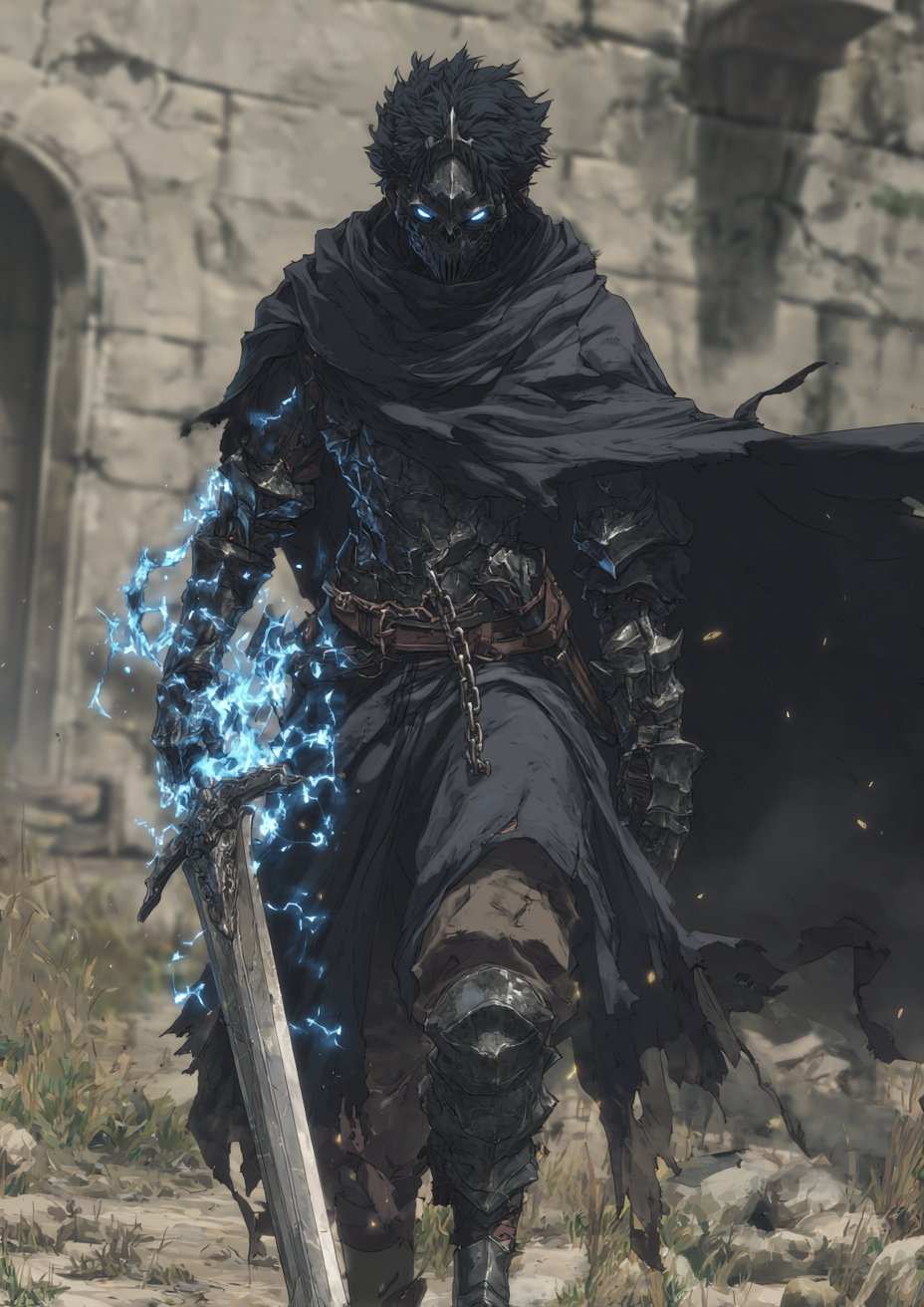
When text in images is critical—like posters, infographics, signs, or ads—Ideogram delivers unmatched legibility and creative typography. It handles complex layouts, fonts, and multilingual text far more reliably than most open models, including Qwen in some edge cases.
It's cloud-based with an intuitive interface, making it ideal for quick professional outputs without local setup.
Pros:
- Best-in-class in-image text accuracy and styling.
- User-friendly for non-technical users.
- Strong for marketing and graphic design.
Cons:
- Less flexible for pure photorealism; closed-source limitations.
4. Seedream - Best for Photorealistic Speed and Consistency
Try Seedream Now

Seedream stands out for fast, consistent photoreal outputs that rival closed models like Nano Banana Pro. It produces clean, professional-grade images with natural lighting and minimal artifacts, often faster than Qwen on similar hardware.
Great for product visuals, portraits, and batch generation where reliability matters.
Pros:
- High consistency and speed.
- Excellent for commercial/product photography.
- Natural-looking results with good detail.
Cons:
- May lack Qwen's depth in ultra-fine textures or age-specific realism.
5. Nano Banana Pro (Gemini 3 Pro Image) - Best Closed-Source Premium Alternative
Try Nano Banana Pro (Gemini 3 Pro Image) Now
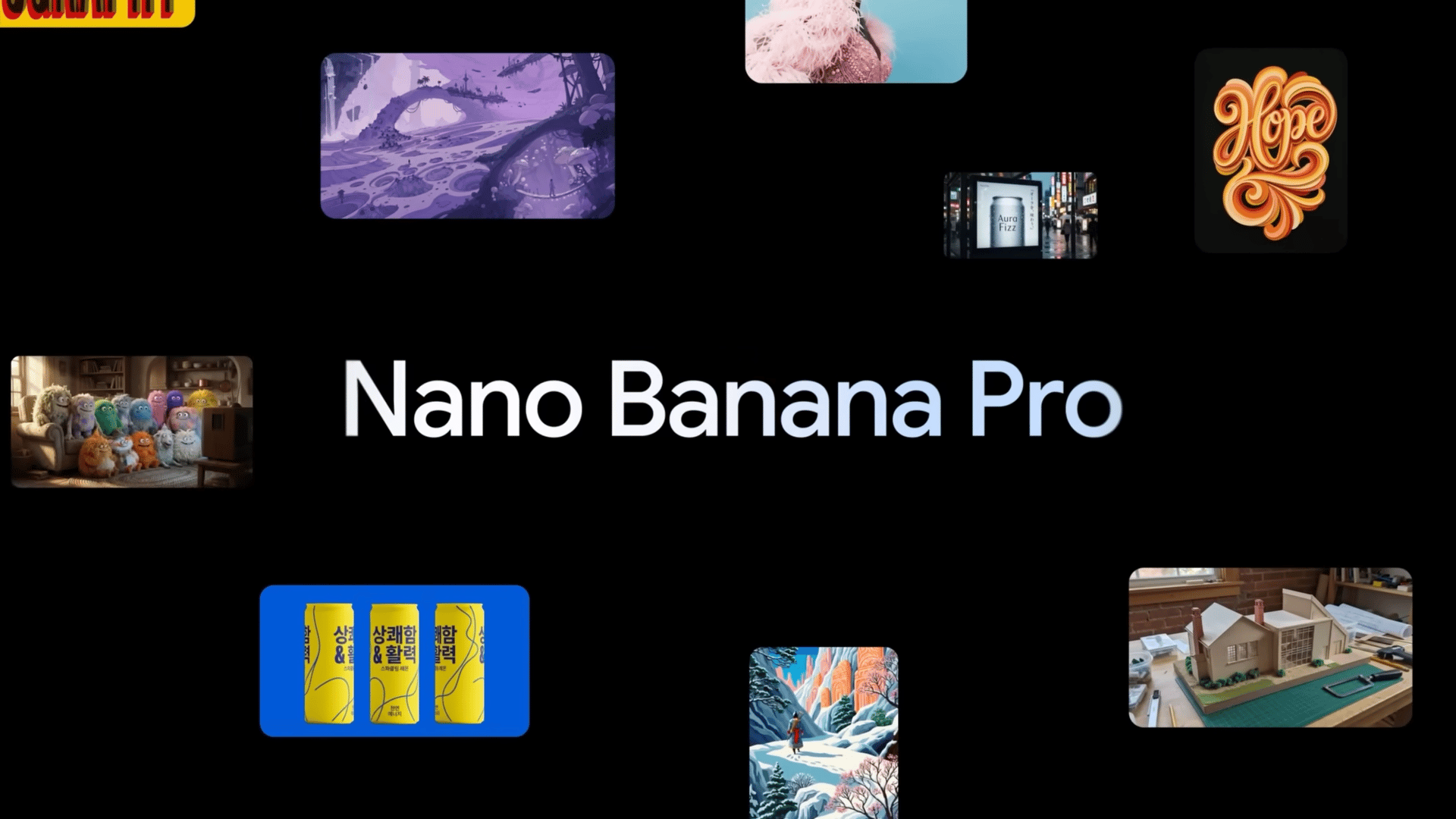
For those willing to go closed-source, Nano Banana Pro (Google's advanced image gen) offers top-tier realism and seamless integration with other Gemini tools. It challenges Qwen directly in blind tests for human features and environmental coherence.
Ideal if you prioritize effortless high-end quality over open weights.
Pros:
- Cutting-edge photorealism and coherence.
- Integrated ecosystem (e.g., with Gemini chat).
- Minimal "AI look" artifacts.
Cons:
- Not open-source; usage limits and costs apply.
6. Stable Diffusion 3.5 / SDXL Fine-tunes - Best for Customization and Community Ecosystem

The Stable Diffusion family (especially SD3.5 and community fine-tunes) provides unmatched customizability. With thousands of LoRAs, ControlNets, and workflows in ComfyUI/A1111, you can tailor it precisely—something harder with base Qwen.
It's a go-to for specialized styles, NSFW (where allowed), or heavy editing pipelines.
Pros:
- Infinite fine-tuning and extensions.
- Huge community resources.
- Runs on modest hardware with optimizations.
Cons:
- Base quality often requires heavy prompting/LoRAs to match Qwen's out-of-box realism.
7. Midjourney - Best for Artistic and Stylized Creations
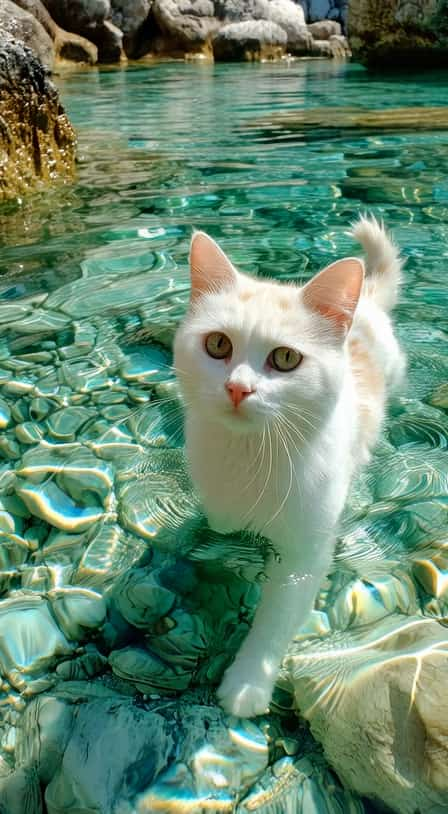
Midjourney excels in artistic interpretation, unique styles, and creative flair. If you're into concept art, illustrations, or stylized visuals rather than strict photorealism, it often produces more inspiring results than Qwen's grounded approach.
Accessed via Discord (or web now), it's perfect for brainstorming and mood boards.
Pros:
- Exceptional artistic quality and variety.
- Strong community prompts/inspiration.
- Great for non-photoreal genres.
Cons:
- Less control over exact realism; subscription-based.
Conclusion
The AI image generation space in 2026 is incredibly diverse, and no single model dominates everything. Qwen-Image-2512 remains a top open-source choice for balanced realism and text handling, but these alternatives fill gaps depending on your priorities: speed (Z-Image Turbo), precision (Flux), text mastery (Ideogram), or pure creativity (Midjourney).
My personal favorite combo? Z-Image Turbo for everyday use, Flux for complex prompts, and Ideogram when text is key. Dive in, experiment, and find what elevates your workflow! Try these tools today and see which one sparks your next project.