PixVerse R1: A Revolution in Real-Time AI Video Generation
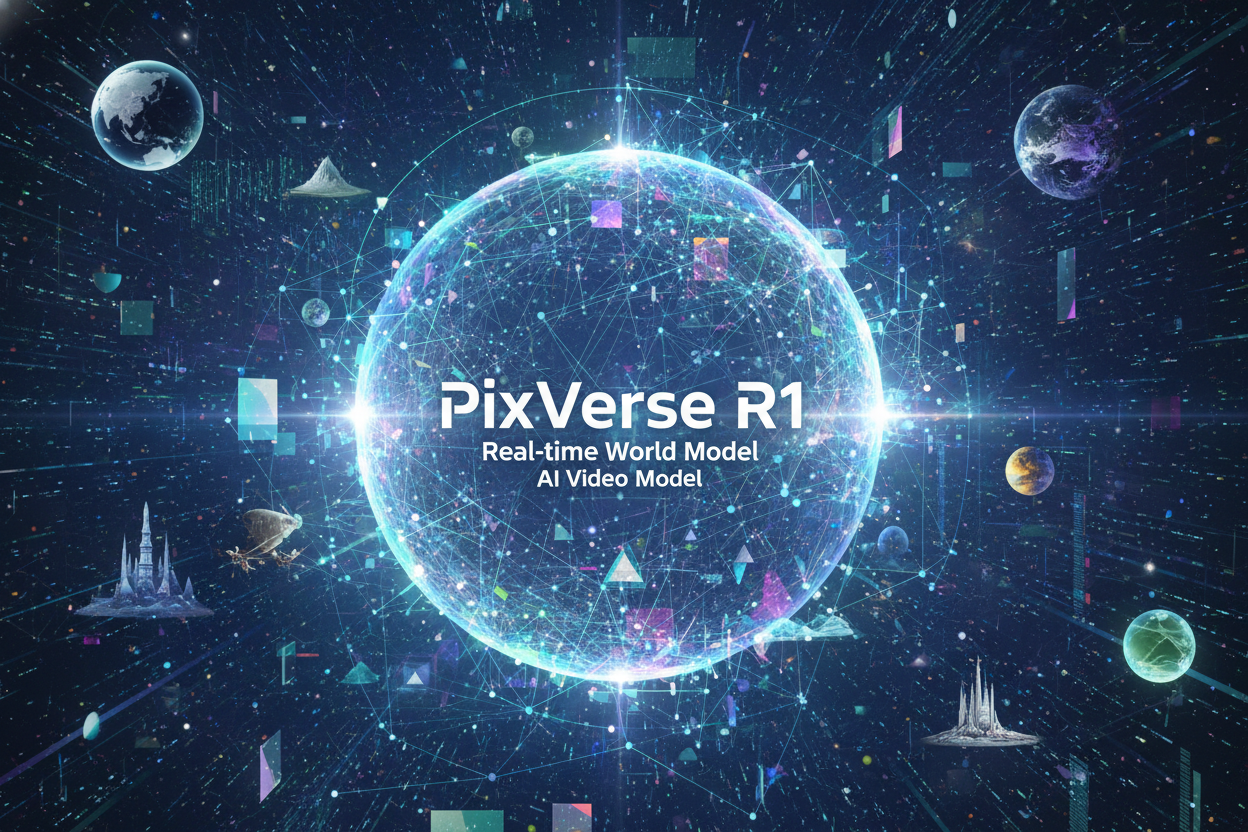
PixVerse has just released its latest AI video model. Let’s explore what this model is all about, how real-time editing transforms the video creation process, and what we can expect from the AI world today.
Introduction to PixVerse R1 AI Video Model
PixVerse R1 is a groundbreaking new model that introduces a real-time AI video generation system. Unlike traditional video generation models, which follow a “prompt → render → output” workflow, PixVerse R1 offers real-time editing capabilities.
This means that users can alter the input instructions while the video is being generated and instantly see how those changes affect the final result. This real-time interaction creates a dynamic, customizable experience that pushes the boundaries of traditional video production.
Key Features of PixVerse R1 AI Video Model
1. Real-time Video Generation
The most revolutionary feature of PixVerse R1 is its ability to generate videos while simultaneously adapting to changes in the input. Users can tweak the prompts, add new elements, or adjust actions as the video evolves.
2. Omni-Multi-Modal Framework
PixVerse R1 integrates text, images, video, and audio in one unified system, making it capable of producing synchronized multimedia content in real time.
3. Autoregressive Memory System
The model remembers previous content while continuously generating new video segments, allowing for seamless transitions and maintaining consistency across the video.
4. Instant Feedback Loop
With ultra-low latency, users can experience a nearly instantaneous response as they modify the video’s elements, making the creative process more intuitive and interactive.
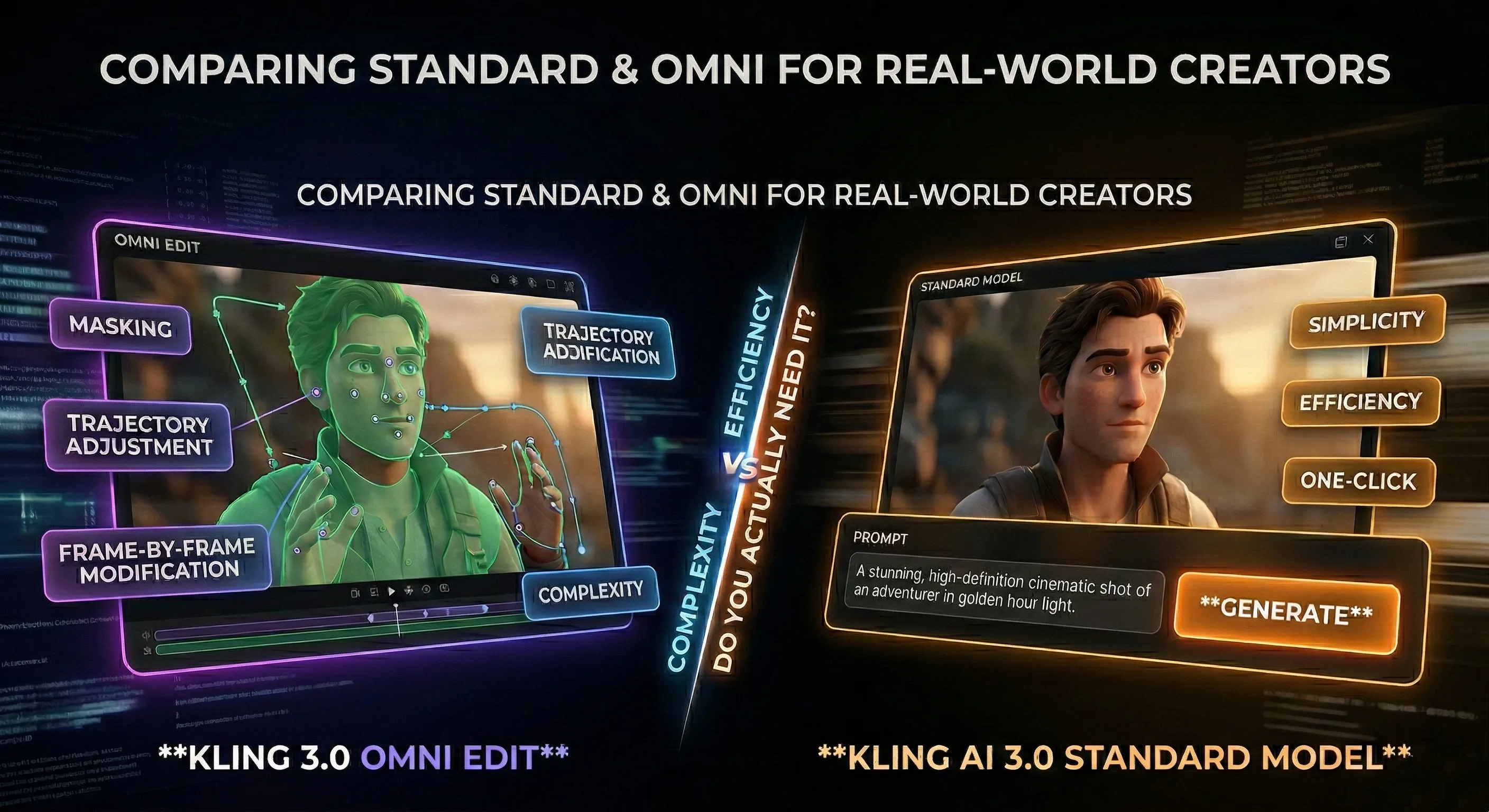
Compared to earlier AI video models, such as Veo, Kling, or Sora, PixVerse R1 stands out by allowing creators to interact with and refine the content in real time, rather than waiting for the system to finish generating the video before adjustments can be made.
What Does PixVerse R1 AI Video Model Mean for AI-Generated Videos?
1. From Static Output to Dynamic Worlds
Traditional AI video models generate a fixed-length clip based on a set of inputs. In contrast, PixVerse R1 transforms video creation into an ongoing, dynamic process. The ability to make real-time adjustments means that users can intervene at any moment—whether changing the character’s actions, adjusting the scene, or switching up the camera angles—making the entire video production more fluid and responsive.
The concept of "real-time video" creates an entirely new creative environment. Instead of waiting for each change to be processed and outputted, creators can directly influence and control the video as it is being made, offering a much richer, more engaging workflow.
2. AI Video Generation Meets Immersive Content Creation
PixVerse R1’s capabilities extend beyond traditional video generation—it is designed to integrate seamlessly with immersive environments, such as gaming or virtual/augmented reality (VR/AR). This opens up possibilities for using real-time generated video in live settings, enhancing gaming experiences, interactive storytelling, or even social media content creation. Unlike conventional AI models that are limited to standalone video clips, PixVerse R1 has the potential to become a cornerstone of interactive content creation platforms.
3. The Shift Toward Interactive Video Production
Real-time responsiveness will likely be a key trend in the future of AI-generated content. As we move from pre-determined outputs to interactive systems, PixVerse R1 exemplifies how video creation can evolve from a passive process into an active one. This shift allows creators to become much more engaged in the development of their videos, leading to a better alignment with their artistic vision and greater flexibility during production.
What Does PixVerse R1 AI Video Model Mean for the Future of AI Video Creation?
1. Will Real-Time Interaction Become the New Standard in AI Video?
Real-time feedback and editing represent a major shift in the AI video space. In the future, this interactivity could become the core of all AI-generated content. As creators continue to demand greater control over their work, models like PixVerse R1 will likely lead the way, offering an intuitive, immersive creative experience.
2. The Impact on Traditional Video Production Workflows
PixVerse R1’s capabilities significantly reduce the time traditionally spent on pre-production, including scripting and editing. AI-generated video can act as a prototype or final piece, making it easier for creators to iterate, experiment, and perfect their content. This could revolutionize not only content creation for personal projects but also for industries like advertising, entertainment, and education.
However, while the technology offers great flexibility, it may not entirely replace the need for high-level professional production tools, especially in terms of precision editing and post-production effects. But for many use cases, especially rapid prototyping and content experimentation, this kind of real-time system is a game-changer.
3. Ethical Considerations and Content Regulation
The power of real-time video generation opens up new opportunities, but it also presents challenges. One of the most pressing issues is ensuring that content generated by AI is ethically sound. This includes avoiding misinformation, ensuring the accurate representation of individuals, and establishing appropriate frameworks to handle the potential misuse of the technology in media production.
As these models advance, it will be essential to consider how to monitor and regulate the content they produce, balancing the benefits of creative freedom with responsible usage.
Conclusion: What’s Next for AI-Generated Videos?
The PixVerse R1 AI video model has set a new standard for what is possible in real-time, interactive video generation. By enabling creators to influence the video creation process as it unfolds, it transforms video production from a linear, passive process to a dynamic, engaging experience. This shift not only streamlines the creative process but also introduces new ways of interacting with content. As AI video technology continues to evolve, we can expect more tools like PixVerse R1 to push the boundaries of video creation, opening up exciting possibilities for creators across industries.
For creators and tech enthusiasts alike, understanding and leveraging these advancements will be key to staying ahead in the ever-evolving world of AI-driven content.