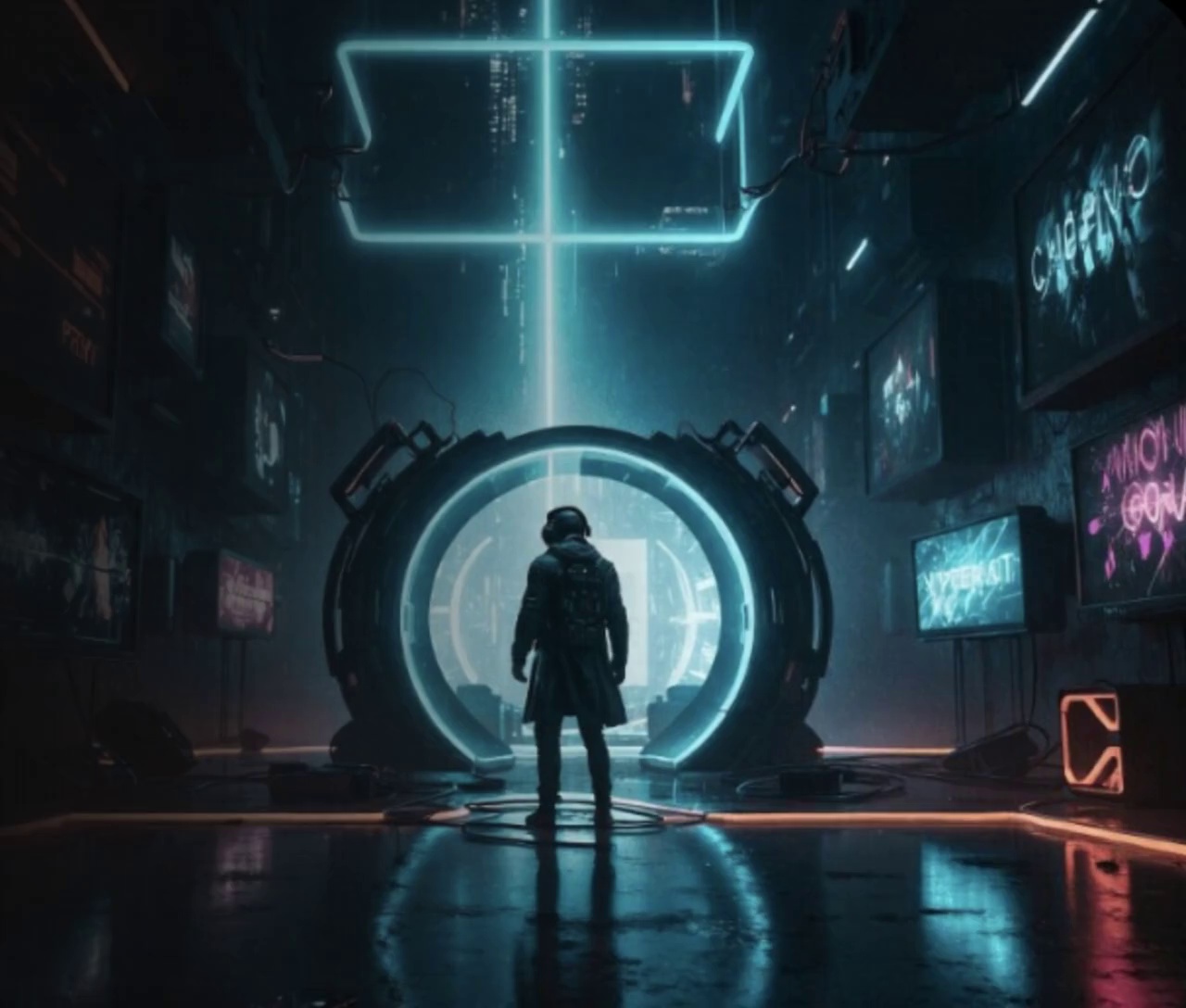
Create High-Fidelity Images with Z Image BaseZ Image Base
Z Image Base is an undistilled foundation model built for prompt precision, rich style coverage, and reliable negative control—made for creators and developers.
Meet Z Image Base, the full-capacity, non-distilled backbone of the Z-Image family. If you need creative freedom, strong prompt adherence, and professional control (including full Classifier-Free Guidance and negative prompting), Z Image Base is the model to start with. Use it as a Z Image Base generator for concept art, photoreal scenes, bilingual text rendering, and downstream development like LoRA fine-tuning or ControlNet conditioning. From 512 to 2048 resolution, Z Image Base gives you a stable, scalable image workflow—without sacrificing diversity or artistry.
More AI Image Generators
Explore our collection of specialized AI image generators designed for different creative needs and styles










![FLUX.1 Krea [dev]](https://static.supermaker.ai/cdn-cgi/image/q=55/https://static.supermaker.ai/files/vtp5vmm87f65.png)
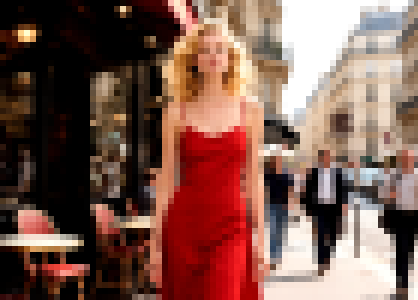
Z Image Base Generator For Creators Who Need Real Control
Undistilled foundation quality + full CFG + robust negative prompting—designed for prompt fidelity, diversity, and development.
Z Image Base is not a “fast demo checkpoint.” It is the undistilled foundation designed to preserve the complete training signal—so you can push prompt engineering further and get stable results in professional workflows. In practice, that means stronger controllability, better response to nuanced constraints, and more predictable iteration when you refine prompts.
How to Create Images with Z Image Base
This workflow is designed for both beginners and power users: start with a clean prompt, apply recommended parameters, use negative control for quality, and iterate across seeds for diversity—then extend with fine-tuning when you’re ready.

STEP 1: Describe what you want to see
Write a clear prompt that includes subject, setting, style, lighting, and camera cues. Z Image Base performs best when you specify what matters most (identity, materials, mood) and keep secondary details concise. For higher realism, add lens + lighting notes; for illustration, add linework and palette guidance.

STEP 2: Add negative prompting for clean results
One of the biggest advantages of Z Image Base is robust negative control. Use negative prompts to suppress artifacts (extra fingers, deformed text, unwanted watermarks), reduce clutter, or remove elements that break brand consistency. This is where Z Image Base feels “professional”—you can steer the model away from failure modes instead of re-rolling blindly.

STEP 3: Iterate and scale your workflow
Generate multiple seeds to explore composition, identity variation, and lighting diversity. Z Image Base is built for exploration—so you’ll get meaningfully different options across seeds while maintaining prompt adherence. Once you find a reliable style direction, you can scale output for campaigns or fine-tune with LoRA and conditioning modules (like ControlNet) to lock in a consistent visual system.
Best AI Image Tools for Creative Projects
Explore creative tools for image, learn tips and tricks, and see how AI can be your assistant in turning concepts into finished projects.
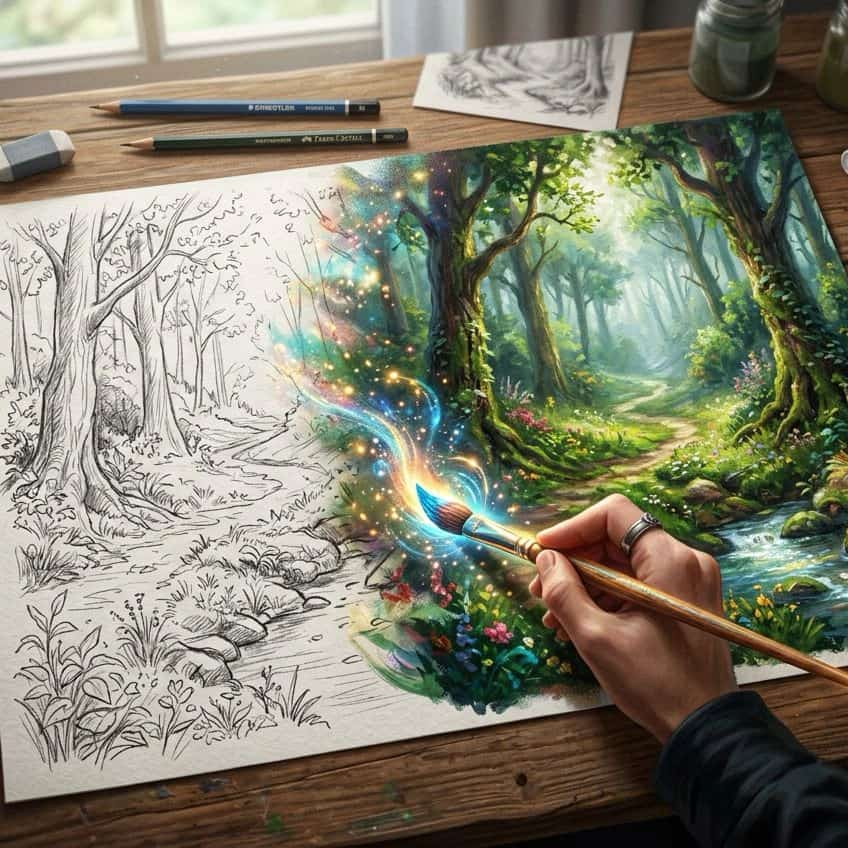

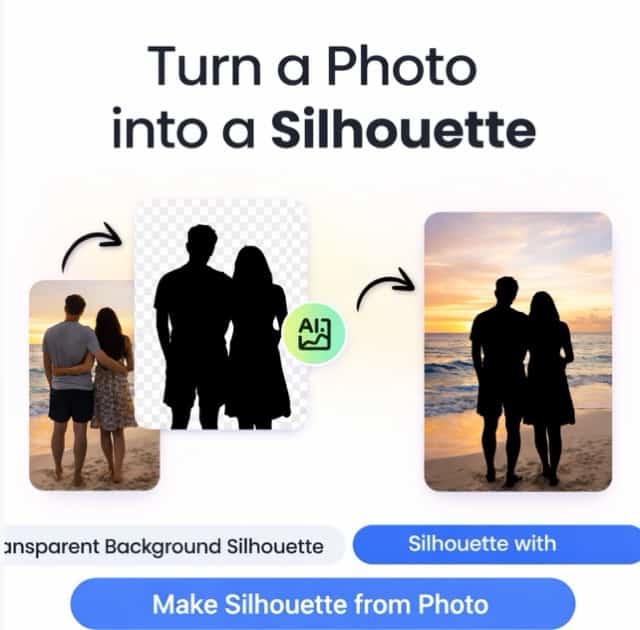


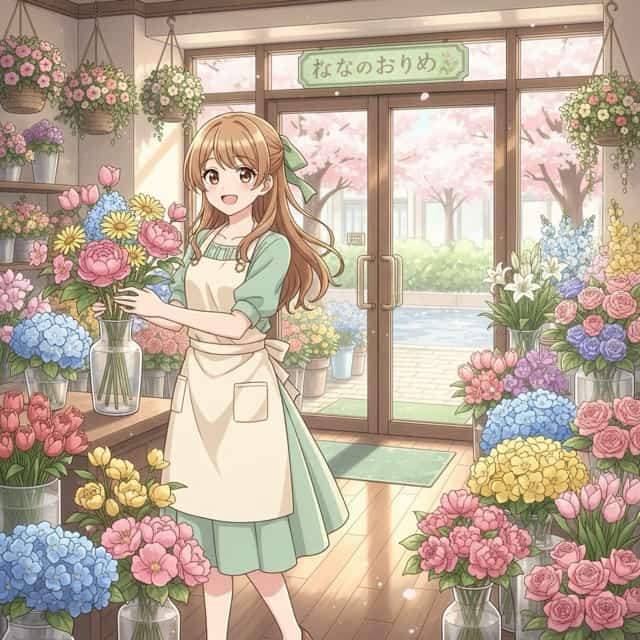
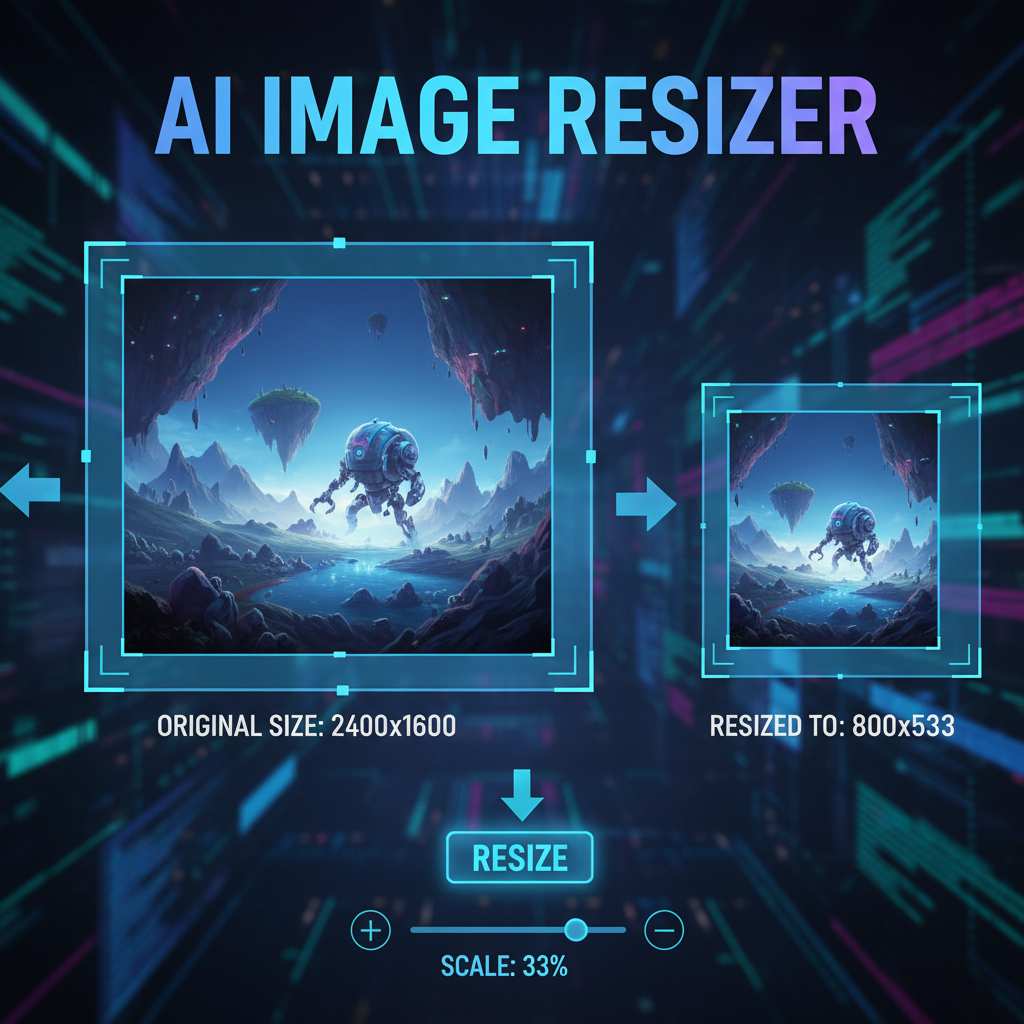


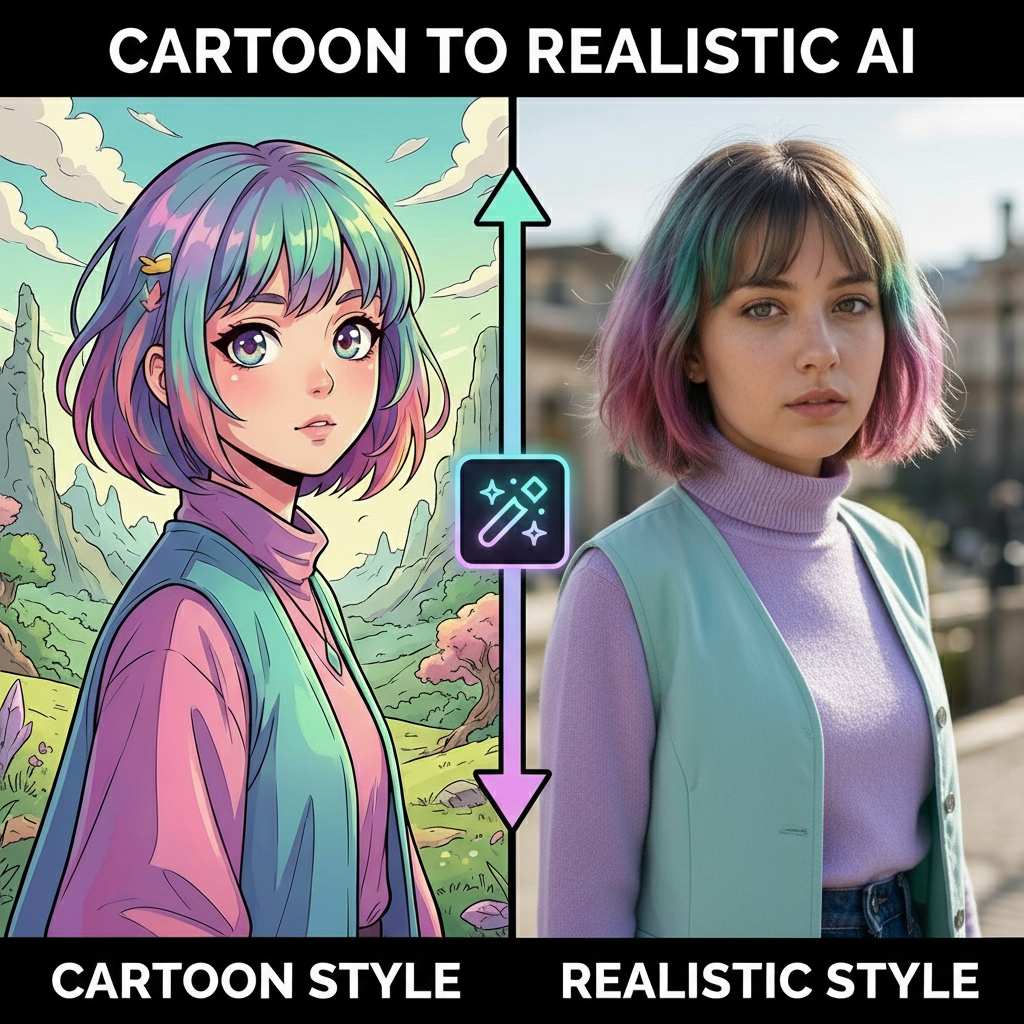
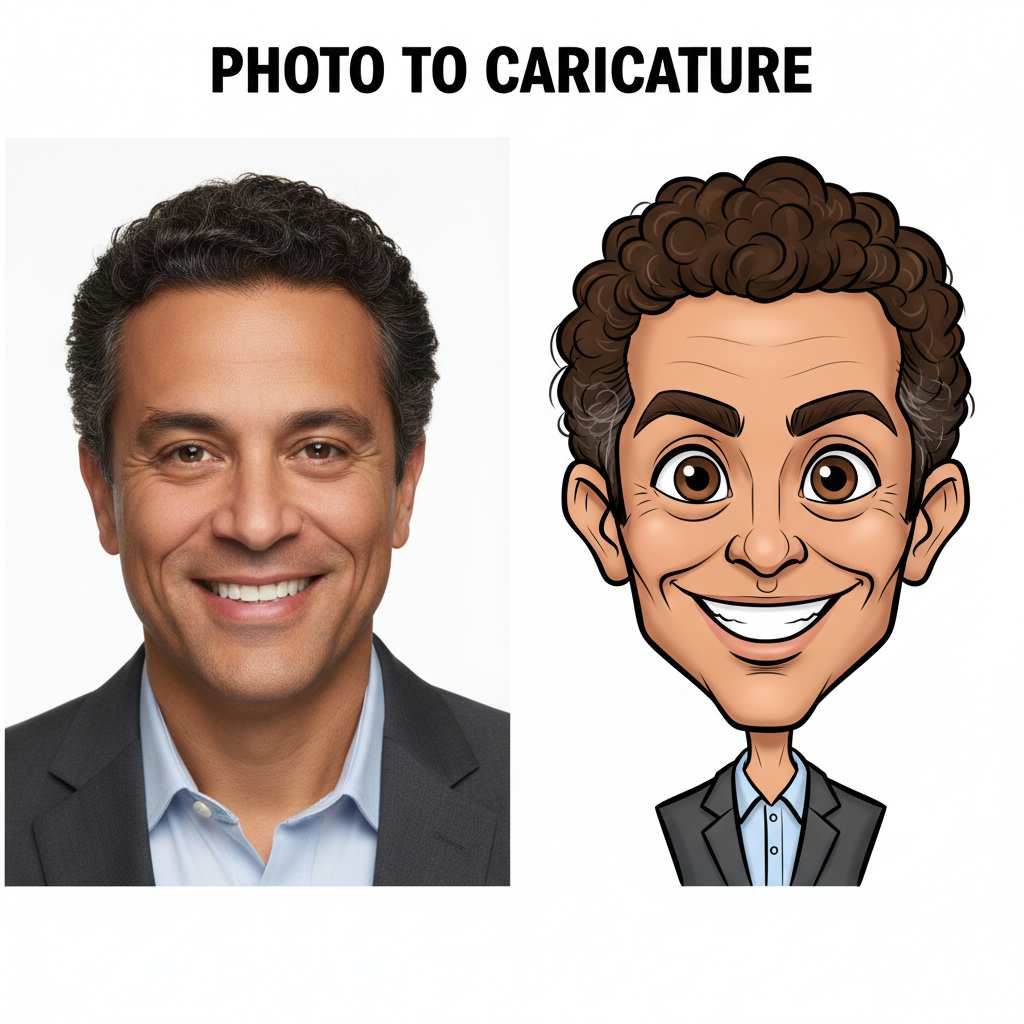

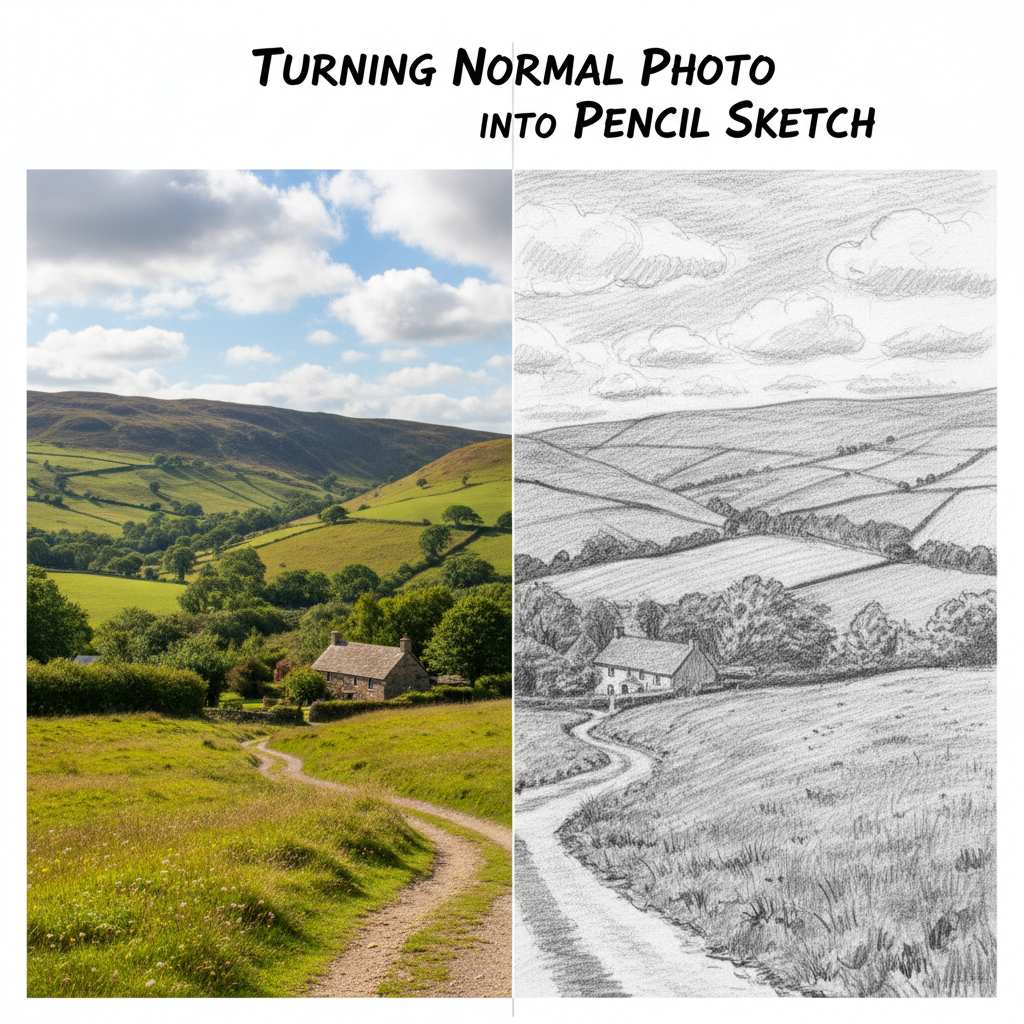



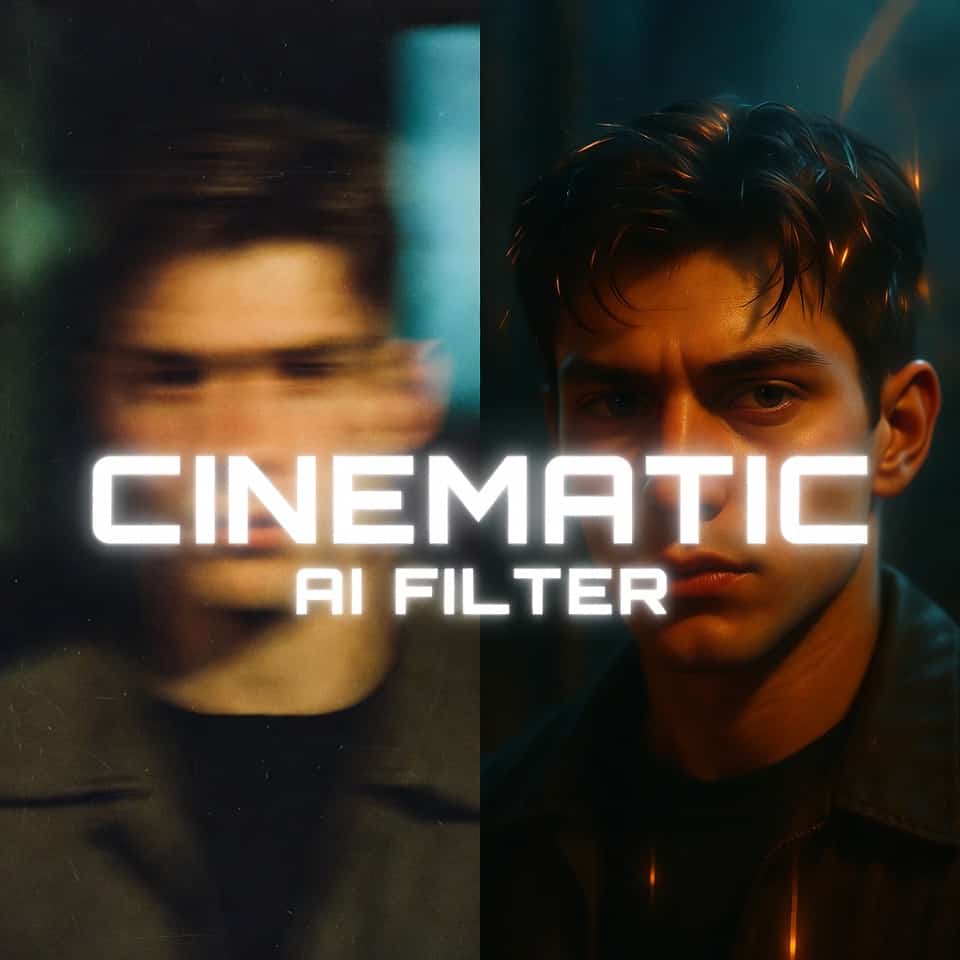

Why Choose Z Image Base Generator
Z Image Base is the full-capacity foundation model for creators and developers who value controllability, diversity, and extensibility—backed by CFG support, negative prompting, and a development-friendly base for LoRA and ControlNet.

Undistilled Foundation Model with Full CFG Control
Z Image Base is an undistilled foundation checkpoint that preserves the complete training signal. That matters because it supports full Classifier-Free Guidance (CFG)—a core control mechanism for advanced prompt engineering. In real workflows, CFG lets you tune how strongly the model follows the prompt vs. how freely it explores artistic alternatives.
For creators, this means your “must-have” constraints (subject count, key props, style direction, text rendering intent) are more likely to land. For developers, it means the model behaves like a reliable base you can integrate into production pipelines, evaluate systematically, and extend with conditioning or fine-tuning. If your goal is controllable, professional image synthesis rather than speed-only demos, Z Image Base is the right backbone.
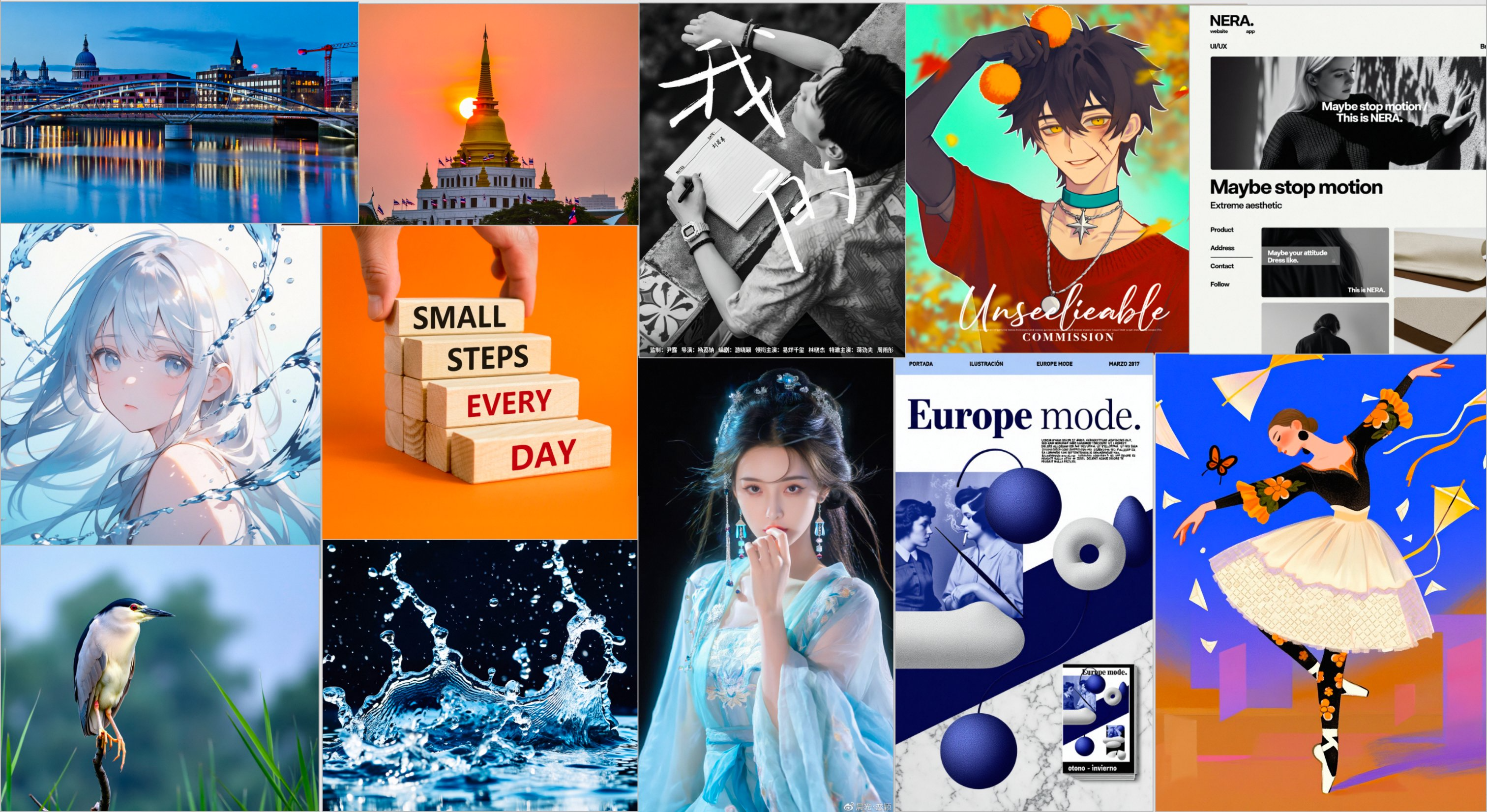
Aesthetic Versatility Across Photoreal, Cinematic, Anime & Illustration
Z Image Base is engineered for broad stylistic coverage—from hyper-real photography and cinematic digital art to intricate anime, stylized illustration, and mixed-media looks. This versatility is crucial for teams that need one model to support many “visual languages”: brand marketing, editorial visuals, product scenes, social content, and creator experiments.
In practice, you can prompt for realistic skin texture and natural lighting, then pivot to graphic poster aesthetics or expressive linework without switching models. As a Z Image Base generator, it becomes a single entry point for ideation, iteration, and final asset generation—especially when you care about consistent prompt adherence across different styles.
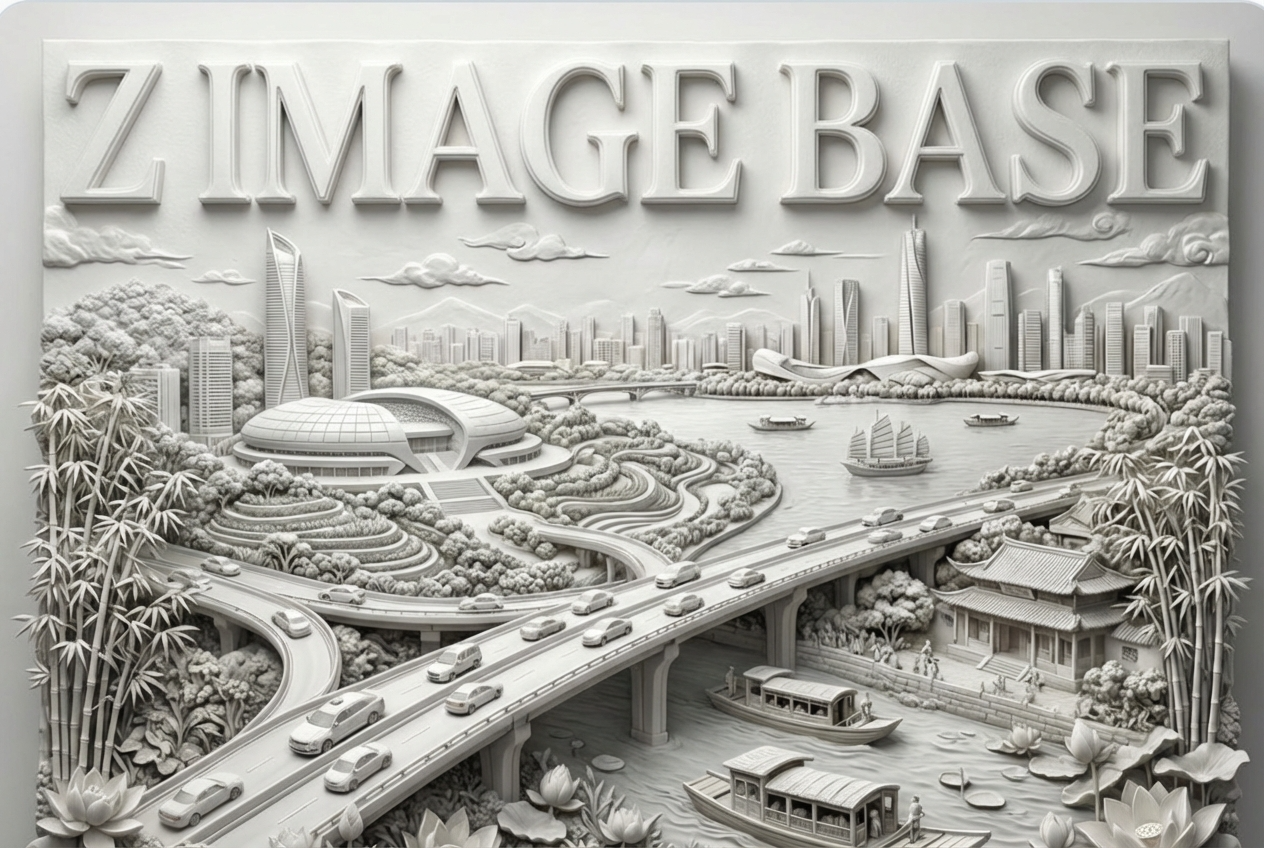
Enhanced Output Diversity for Multi-Subject Scenes
Z Image Base is built for exploration and delivers higher variability in composition, facial identity, and lighting across different seeds—without losing prompt alignment. This is especially valuable when generating multi-person scenes where you want subjects to remain distinct and dynamic rather than blending into similar faces or repeated poses.
For creative teams, diversity means fewer re-rolls and faster discovery of “the one” composition that matches the brief. For designers, it means rapid A/B options for thumbnails, posters, and hero sections. For anyone iterating, Z Image Base makes variation feel intentional—like a controlled brainstorming session rather than random noise.
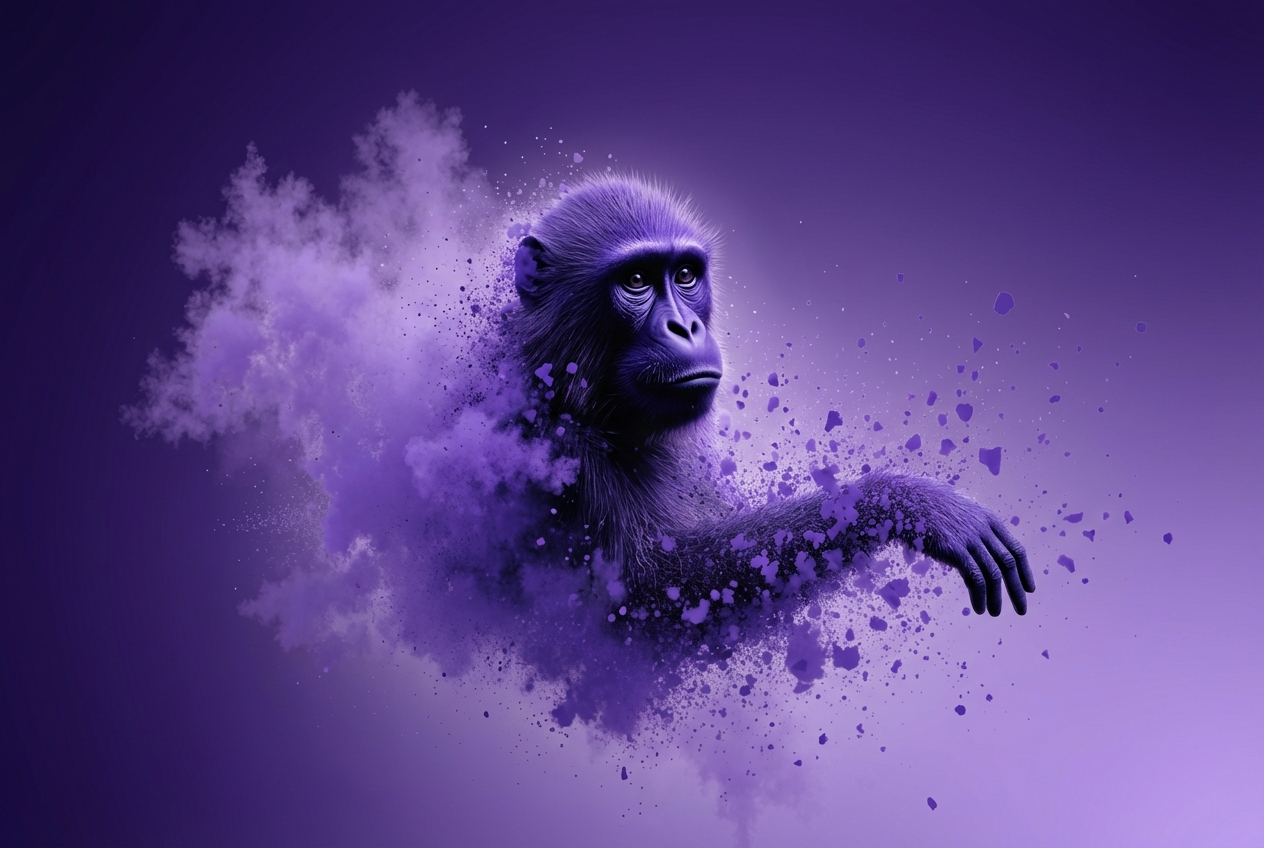
Robust Negative Prompting + Built for Fine-Tuning (LoRA / ControlNet)
Z Image Base responds with high fidelity to negative prompting, allowing you to reliably suppress artifacts and adjust compositions. This is a practical advantage for professional use: you can remove unwanted elements (text glitches, extra limbs, messy backgrounds), reduce over-stylization, or enforce cleaner brand visuals.
Equally important: Z Image Base is built for development. Because it’s non-distilled, it’s a strong base for community-driven fine-tuning such as LoRA training, and for structural or semantic conditioning workflows like ControlNet. If you want to evolve a custom generator—brand style, character consistency, product catalog visuals—starting from Z Image Base gives you the cleanest foundation to extend.
Z Image Base Use Cases
Z Image Base is designed for both creative output and technical extensibility—supporting everything from marketing and entertainment visuals to fine-tuning workflows and developer pipelines.

Photorealistic Marketing Visuals
Create ad-ready images with realistic lighting, clean compositions, and controllable detail. Use Z Image Base as your Z Image Base generator to produce multiple campaign variations across seeds while keeping brand intent stable.

Cinematic Posters & Key Art
Generate cinematic digital art with film-like lighting, dramatic color grading, and storytelling composition. Z Image Base supports nuanced prompts so you can direct mood, atmosphere, and camera style precisely.

Anime & Stylized Illustration
From crisp linework to stylized shading, Z Image Base offers broad aesthetic range. This makes it ideal when your content pipeline needs both illustration and photoreal outputs without switching models.

Product Mockups & E-commerce Scenes
Generate product-in-context visuals: clean studio shots, lifestyle settings, seasonal campaigns, packaging variations. Negative prompting helps keep outputs clean and avoid distracting artifacts.

Creator Iteration & Prompt Engineering
If you iterate quickly, you need diversity plus control. Z Image Base delivers meaningful variation across seeds while maintaining prompt adherence—perfect for rapid ideation and exploration.

Developer Customization (LoRA / ControlNet)
Use Z Image Base as a development backbone for custom pipelines. Fine-tune styles with LoRA, add structural control with ControlNet, and build a stable internal Z Image Base generator for specialized production needs.
What Users Say About Z Image Base
Real feedback from creators and builders using Z Image Base as a controllable, extensible Z Image Base generator for production workflows.
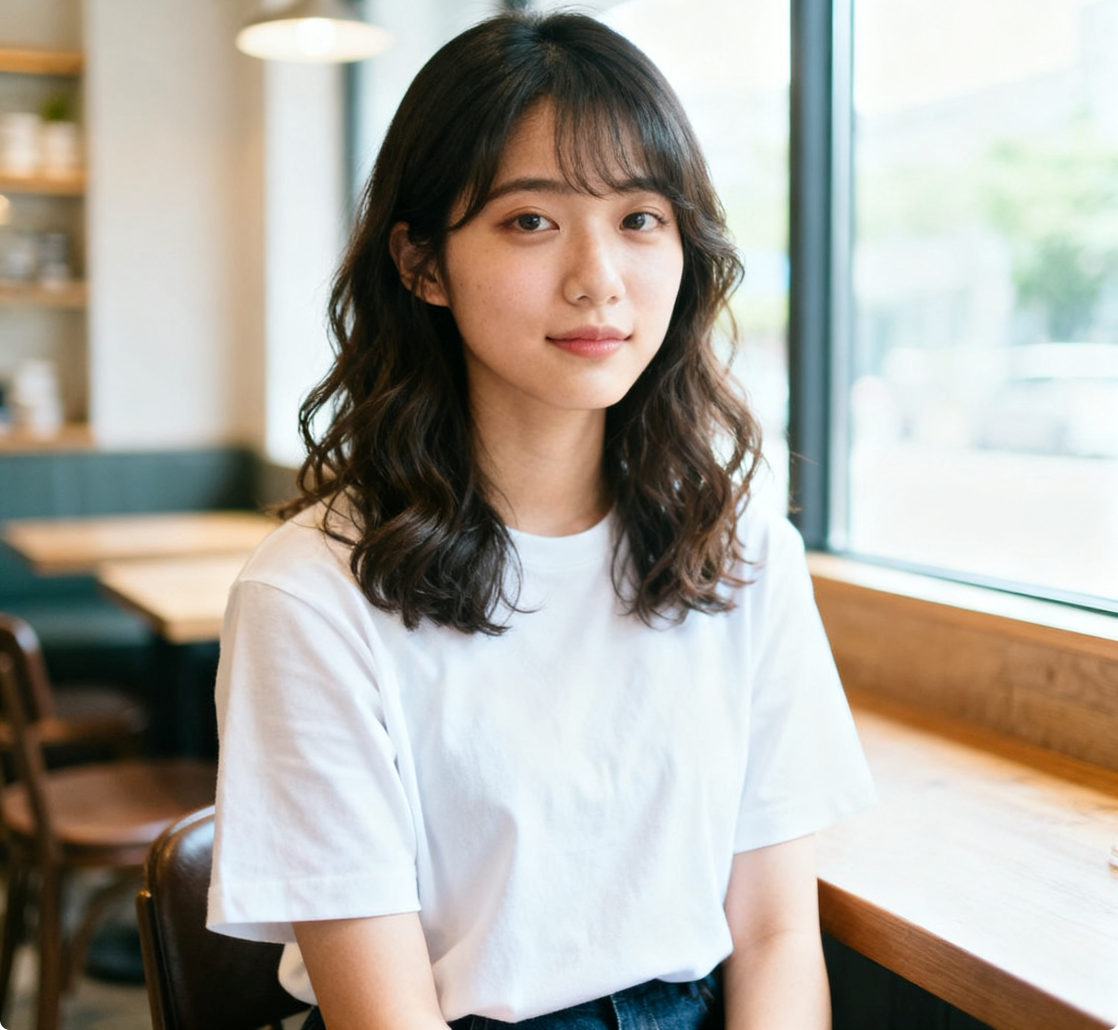
I tested Z Image Base for a campaign that needed consistent realism and clean composition. The biggest difference was control: with CFG and negative prompting, I could steer away from artifacts instead of endlessly re-rolling. As a Z Image Base generator, it feels like a professional tool, not a gimmick.
Z Image Base helped me produce multiple banner variations from one brief while keeping the visual language stable. The diversity across seeds is real—lighting and composition changed meaningfully without breaking the prompt intent. I now keep a preset workflow for Z Image Base generator outputs in our design pipeline.
I’m not an ML engineer, but I care about prompt precision. Z Image Base was the first model where my detailed style constraints consistently showed up, especially for cinematic lighting and texture notes. It’s the Z Image Base generator I use when results need to look intentional and curated.
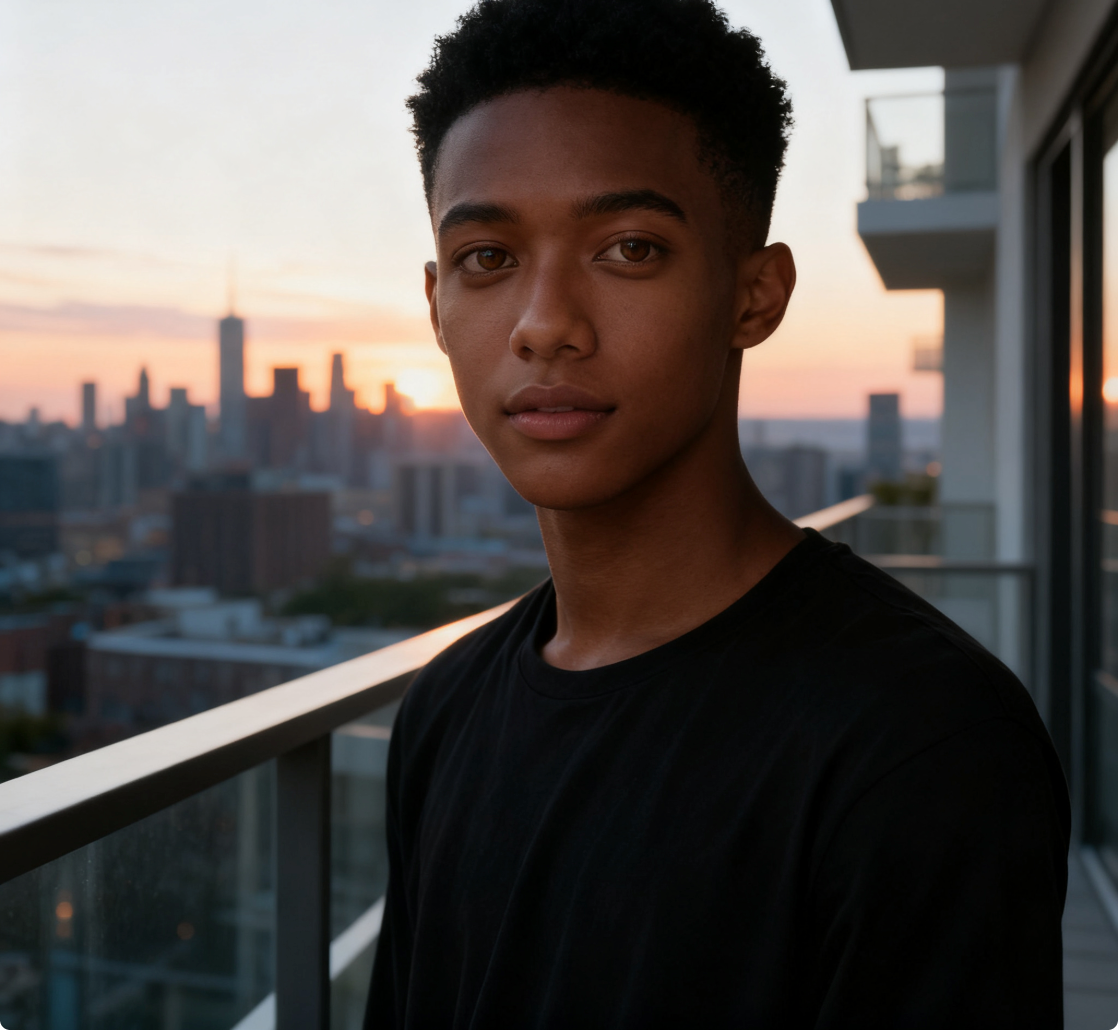
For multi-subject scenes, Z Image Base stands out. Different seeds actually gave different identities and compositions, which is exactly what you want for exploration. With negative prompts, I cleaned up small issues fast. It’s become my go-to Z Image Base generator for concept ideation.
From a product perspective, Z Image Base is a strong foundation checkpoint. It behaves predictably and supports the controls we rely on—CFG, negative prompting, and extensibility. If you want to build a customized Z Image Base generator that can evolve with LoRA and conditioning, this is the base I’d choose.
I ran Z Image Base in a development workflow where we evaluate prompts, parameters, and consistency across outputs. The recommended step range and guidance settings gave stable quality, and the model responded well to negative control. It’s a practical Z Image Base generator backbone for real production experiments.




Z Image Base FAQ
Common questions about using Z Image Base—covering features, parameters, negative control, and development workflows.
Z Image Base is the undistilled foundation checkpoint of the Z-Image family. It preserves the complete training signal and supports full Classifier-Free Guidance (CFG), making it ideal for professional prompt engineering, negative prompting, and development workflows.
Z Image Base supports full CFG and negative prompting and is intended as a tunable foundation model (e.g., LoRA, ControlNet). Distilled Turbo variants prioritize speed with fewer steps and typically do not rely on CFG or negative prompts in the same way.
Negative prompting lets you suppress unwanted artifacts, clutter, or elements that don’t fit your intended composition. Z Image Base is designed for robust negative control, so you can clean results more predictably instead of brute-force re-rolling.
Yes. Adjust the prompt until you are satisfied with the result of Z Image Base.
Yes! Z Image Base is accessible in SuperMaker now. You can use the result for any applications you want.
Start Creating with Z Image Base Generator Now
Use Z Image Base to generate high-fidelity images with full control: CFG for prompt precision, negative prompting for clean outputs, and a strong foundation for LoRA and ControlNet workflows.