Top 7 Alternatives to Midjourney I Tried & Recommend
Midjourney alternatives in 2026: free access, better realism, text mastery & customization. Flux, Imagen 3, Ideogram & more beat it in key areas.
As an avid explorer of AI image generation tools, I've spent countless hours testing models to find strong alternatives to Midjourney, the longtime champion of artistic flair, cinematic composition, and that signature dreamy aesthetic. Midjourney excels in creative interpretation, painterly styles, mood-heavy visuals, and community-driven inspiration via Discord, but in 2026 it comes with a mandatory subscription (starting at $10/month), no free tier anymore, Discord dependency for core use, and occasional frustrations like public-by-default generations or less precise prompt control for some workflows.
After trying dozens of generators—from open-source powerhouses to polished cloud platforms—here are my top 7 alternatives that stand out in 2026. Each offers unique edges for different creative needs, whether you want better accessibility, superior photorealism, text accuracy, customization, or free/local options.
1. Flux.2 (Dev / Pro variants) - Best Alternative Overall
Try Flux.2 Dev Now
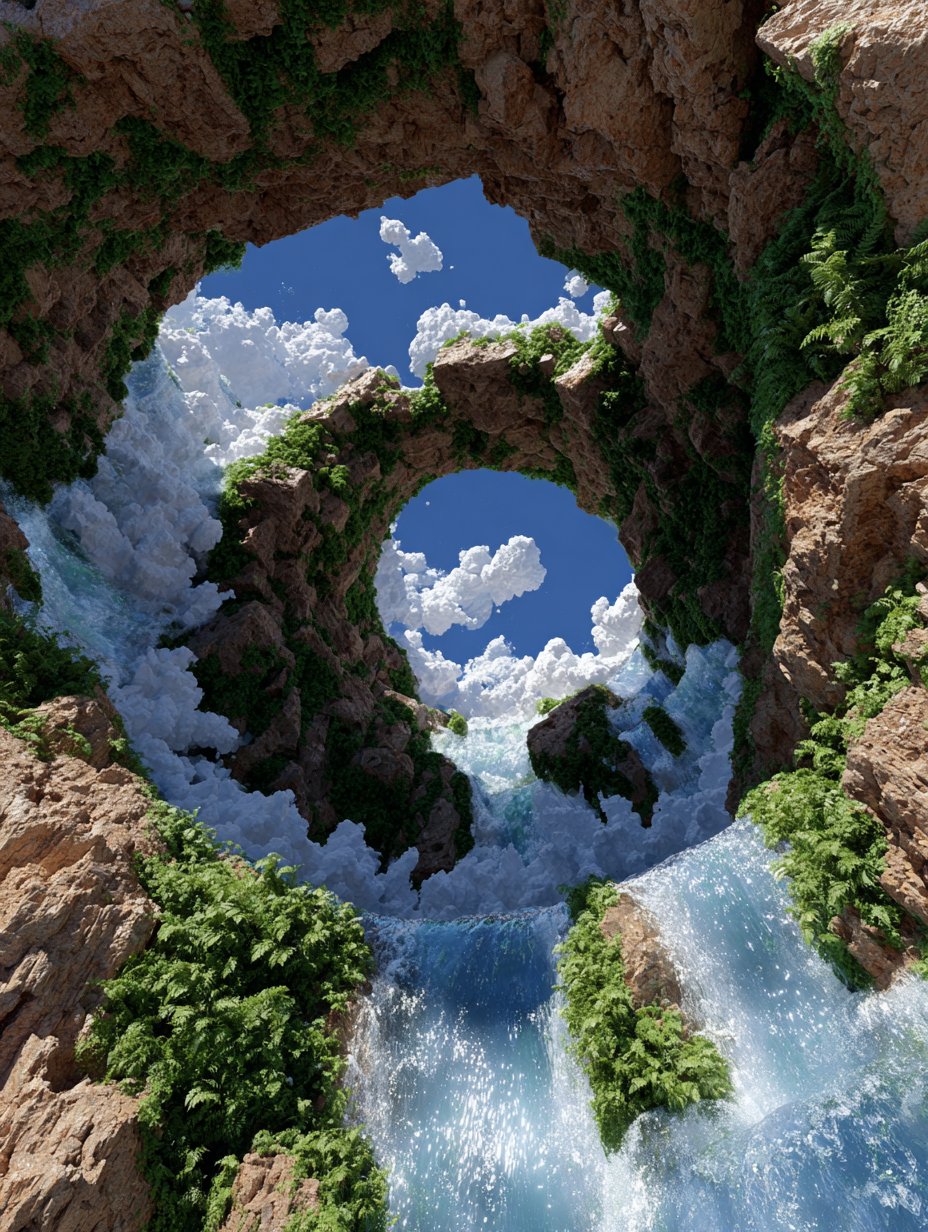
Flux.2 (from Black Forest Labs) has become my go-to when I need exceptional prompt adherence without the Discord hassle. It delivers stunning photorealism, accurate anatomy (hands, faces, complex poses), natural lighting, and coherent compositions that often surpass Midjourney in technical precision while keeping artistic soul.
Its open weights (Dev version) allow local runs or fast cloud inference, and it handles intricate details like reflections, textures, and multi-subject scenes with fewer artifacts. Community fine-tunes push it even further.
Pros:
- Outstanding realism and semantic understanding.
- Excellent for humans, products, and environments.
- Open-source flexibility + fast variants (schnell for speed). Cons:
- Requires some setup for local use; full Pro may need paid access.
2. Imagen 3 / Gemini 3 Pro Image - Best for Free High-Quality & Accessibility
Try Gemini 3 Pro Image Now
Google's Imagen 3 (integrated in Gemini) has surged to the top for many users in 2026 as a completely free powerhouse. It produces clean, vibrant, highly coherent images with strong creative range—from realistic portraits to imaginative concepts—often rivaling or beating Midjourney in blind tests for naturalness and detail without any subscription barrier.
No Discord needed, just chat in Gemini, and it integrates seamlessly with Google's ecosystem.
Pros:
- Free generous usage (no hard paywall for core features).
- Superb prompt following and minimal artifacts.
- Great for quick ideation and professional outputs. Cons:
- Less "artistic magic" than Midjourney's stylized flair in some prompts.
3. Ideogram - Best for Typography and Text-Heavy Designs
When text integration matters—logos, posters, signs, memes, book covers, or ads—Ideogram remains unmatched. It renders complex, multi-line, stylized, and multilingual text with near-perfect legibility and creative font choices, far more reliably than Midjourney (which still struggles with spelling or layout in tricky cases).
Cloud-based with an intuitive web interface, perfect for graphic designers.
Pros:
- Best-in-class in-image text rendering.
- Strong for marketing, branding, and social graphics.
- Generous free tier available. Cons:
- Less dominant in pure artistic or ultra-photorealistic non-text scenarios.
4. Nano Banana Pro (Gemini 3 Pro Image advanced) - Best Closed-Source Premium Realism
Try Nano Banana Pro Now
For effortless top-tier photorealism with minimal "AI artifacts," Nano Banana Pro (Google's flagship) delivers seamless human features, environmental coherence, and natural skin/lighting that many prefer over Midjourney in direct comparisons. It integrates tightly with Gemini chat for iterative refinement.
Pros:
- Cutting-edge realism and consistency.
- Minimal plastic look; great for portraits and products.
- Ecosystem perks (chat + image workflow). Cons:
- Closed-source with usage limits/costs on heavy use.
5. Stable Diffusion 3.5 / SD3.5 Large & Fine-tunes - Best for Customization and Local Control
The Stable Diffusion ecosystem (especially SD3.5 and community fine-tunes) offers unparalleled freedom. With thousands of LoRAs, ControlNets, IP-Adapters, and workflows, you can tailor it to exact styles, characters, or even train your own—something Midjourney can't match in depth.
Runs locally on decent hardware or via affordable cloud services.
Pros:
- Infinite customization and extensions.
- Huge community models/resources.
- No subscription for local use. Cons:
- Base model needs prompting/LoRAs to reach Midjourney-level out-of-box artistry.
6. Leonardo.AI - Best for Specialized Styles & Professional Workflows
Leonardo has evolved into a favorite for creators needing model variety (anime, cinematic, photography, game assets) and built-in tools like canvas editing, upscaling, and motion. Its fine-tuned models often deliver consistent, high-quality results faster than Midjourney for specific niches like concept art or game dev.
Pros:
- Specialized models for different genres.
- User-friendly web interface + editing suite.
- Strong free tier and paid plans. Cons:
- Can feel more "polished" than raw artistic in some cases.
7. Adobe Firefly - Best for Commercial Safety & Creative Cloud Integration
If you're in professional design and need commercially safe images (trained on licensed content), Firefly integrates perfectly with Photoshop, Illustrator, etc. It excels at generative fill, text effects, and clean outputs for branding/ads.
Pros:
- Legally safe for commercial work.
- Seamless Adobe workflow.
- Strong editing/post-generation tools. Cons:
- Less wild artistic range than Midjourney's creative leaps.
Conclusion
The AI image generation landscape in 2026 is richer than ever, and no single tool owns everything. Midjourney still shines for its unique artistic intuition and community vibe, but these alternatives address common pain points: free access (Imagen 3), technical precision (Flux), text mastery (Ideogram), or total control (Stable Diffusion).
My personal favorite stack? Flux for most daily creations, Ideogram when text is involved, and Stable Diffusion for deep customization projects. Jump in, experiment across a few, and discover what unlocks your best work. The perfect tool is the one that makes creating feel effortless and exciting—try these tools today and level up your visuals!